Meg (00:01.089)
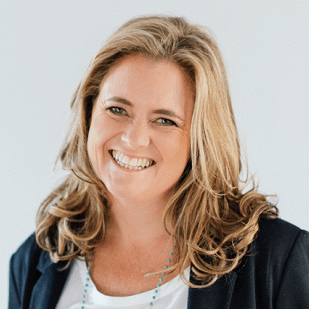
This is an episode you have all been waiting for because we noticed that when we last had Sam Smith on with us, our viewers peaked. And the reason, of course, is that Sam has got a very interesting story. Sam is pregnant with quadruplets. And so we are very delighted that Sam is joining us again today. Hi, Sam.
Sam Smith (00:19.766)
Hi, I’m Meg, and hi Kath.
Meg (00:22.883)
Well, and of course, Kath is with us too. And so Kath is our resident pediatrician, our resident pediatric dietician, and she is all things feeding in parent sense. And so Sam, when you and were chatting last time, I said to you, we definitely do need to get Kath to come and clock in. So welcome Kath.
Kath Megaw (00:23.397)
in.
Kath Megaw (00:42.309)
Thanks, Mig, and so lovely to meet you, Sam.
Sam Smith (00:46.858)
It’s lovely to meet you.
Meg (00:47.277)
Wonderful. Ix and Sam, so of course what all of our moms are going to be wanting to know is how far along are you and how have the last couple of weeks been going for you?
Sam Smith (00:59.158)
yes, so this is week thirty and it’s it’s a definitely a celebratory week. We’ve been I remember from quite early on we were hoping to get to, you know, week twenty four and week twenty-six and definitely, you know, getting to the thirties was going to be a was a goal for us. And so it’s come along and yeah, so we’re really happy that
We’ve made it so far and everyone’s looking well. I’ve had quite yeah, thank you. I’ve we’ve had quite a few visits. We’ve been seeing our sonographer quite regularly, the maternal fetal sp health specialist. I might get the name wrong, and then also visiting our gynee. yeah, and and things are just going well. I think the b the babies are
Meg (01:33.273)
That’s amazing.
Sam Smith (01:58.37)
thriving. At the moment I can feel like my body slowing down and just becoming really tired. I used to enjoy driving and you know going to the store and you know walking around, but now just driving’s not that comfortable. so I think it’s it’s just managing these the sort of discomforts that I think seem that seem to come along with the third trimester and getting
Meg (02:21.007)
Mm.
Sam Smith (02:26.84)
Just heavier and bigger and so on. Yeah, so there’ve been some interesting like symptoms.
Meg (02:29.923)
Yeah.
Meg (02:34.555)
Yeah, tell us about that because I mean you’ve had a singleton pregnancy before and this is obviously quad so must feel very, very different.
Sam Smith (02:39.618)
Yeah.
Sam Smith (02:43.158)
Yes, yeah, and you know, physically I I do feel strong. I you know, I think my body is I can still walk around the house and so on. although like bending down, I think having a toddler you realize how much to toys or just things are on the floor and I I think I look at it and think, maybe you know that can just stay there for a while longer or someone’s gonna pick it up and
Meg (03:08.271)
You
Kath Megaw (03:09.722)
Bye!
Sam Smith (03:11.83)
And even negotiating with him is hard to, you know, it’s you have to pick your battles. And so I think the bending down and then trying to get up by knees gets sore. And I remember Jan, my partner, telling me this with when I was pregnant with Teddy, that I ended up snoring a lot. So I’ve been like suffer suffering with this dry, like nasal passages or it’s like a rhinitis. I’m just
snoring and yeah, so the nights are really uncomfortable, just nose wise and if I’ve been doing lots of saline nose nose sprays. So that’s been something that is quite bothersome actually. Constantly clearing your throat. And then recently, well I mean it’s been a progression, but my I have lots of stretch marks on my tummy and you know I’ve gotten I’ve accepted it. I’ve gotten used to it.
Kath Megaw (03:47.62)
So.
Meg (03:59.312)
Hmm.
Sam Smith (04:11.713)
But they are so itchy and like deep in the skin that just really irritated. And I’ve tried all sorts of sort of creams and balms and so on. And just a few days ago it’s at my f not yeah, my ankles have started becoming really itchy, like the like from the ankle upwards. And I read about, you know, the different things that it could mean, it could mean that something’s
Meg (04:17.871)
Mm-hmm.
Sam Smith (04:42.337)
like a s a sign of some liver or like bile sort of problem. But I did a a blood test and it seems like there aren’t any worrying symptoms and the blood work looks fine. But it’s just really itchy. So I have these moments where I just look forward to sitting down and just giving my legs this it a good scratch. But it it you know the scratching doesn’t help. But yeah, so those are the the problems at the moment.
Meg (05:07.767)
Yeah, yeah.
Kath Megaw (05:08.406)
and
Meg (05:10.991)
Thanks. And I guess you’re seeing your Guyanee, it must be weekly now, I’m guessing.
Sam Smith (05:17.227)
Yeah. it’s it’s I’m still seeing the sonographer or the the fetal health specialist and my gynee. So it’s like one week it’s been one week seeing her and one week going to see him and they correspond with each other. yeah.
Meg (05:33.155)
Okay, that sounds good. Excellent, well before we get on to what to expect after the babies come, which of course is why Kath is here, I’m quite interested to know about your diet because I’m sure that I don’t know how much space there can potentially be in that abdomen for your tummy with those babies there. How are you managing to eat and are you still able to actually eat whole meals?
Sam Smith (05:50.893)
Yeah.
Sam Smith (05:58.99)
Yeah, it I I I do get that well, I get the question of like what are you craving and you know everyone’s very interested in knowing what you like what I’m binging on or something. But I think that I yeah, I’m I’m not eating huge meals and and I feel that I I stay full for quite long. and it is hard yeah, I think it just gets to a point where okay, I’ve had enough and I can’t eat anymore.
Meg (06:15.588)
Mm.
Sam Smith (06:30.081)
But I I’m sort of eating my regular breakfast and sort of like maybe some oats and some scrambled eggs and sort of tea or something like that. I am I’m definitely quite thirsty, so drinking lots of water, or roibus tea. and I I am aware that, you know, even just drinking a lot of liquid can fill up your fill up this space.
full, you know, that I don’t know, maybe I should be filling with food. but I’m not eating it a very huge amount. although I think drinking drinking a smoothie is probably a bit easier than trying, you know, when you when you’re not really that hungry, but trying to get in some more calories. But so far it’s been fairly yeah I would say
Meg (07:10.35)
Mm.
Sam Smith (07:29.165)
My usual amount of food.
Meg (07:32.001)
Interesting, very interesting. Kath, I wonder if you want to clock in on that. I mean, you definitely do clock in on pregnancy diets. This, course, is a different pregnancy diet. So what would you be saying?
Kath Megaw (07:42.479)
Yeah, I think very significant for any pregnancy in the third trimester is space. And I think in your case, it’s just amplified. as to your point, what we actually know, the hormones in the third trimester slow down the tummy from emptying out. So it’s not just that you’ve got less space, but your tummy also is slower at actually emptying the food out. So that feeling of
feeling fuller for longer is very significant. And certain foods empty slower anyway, like proteins and fats and foods that you have to digest. But whereas like a smoothie, it’s pre-digested because you’ve blended it up. If you put some protein powder in your smoothie, nothing much has to happen in the stomach. So it can pass through that much quicker. And so the time from stomach into going down into your bowels is a lot
quicker for you and that will make you feel more comfortable. Because the risk also obviously if your stomach stays full for too long is the risk of reflux and that sensation of heartburn. And so in order if you starting to experience that more and more, you definitely want to go to some more liquid diets. And obviously your smaller meals is very helpful, which you’ve kind of figured out. But I would definitely
I encourage you to do your smoothies, some of your shakes and those type of things just to help you with your comfort. And then another thing which is really important, which I just want to stress because you have endoquids is that you’ve obviously got a higher demand of protein because I’m not sure how many placentas do you have? Do they each have their own or do you have each three?
Meg (09:19.245)
Very interesting.
Sam Smith (09:33.601)
There are three Yes, three.
Kath Megaw (09:39.149)
Okay, so mean, that’s three placentas is very significant. And one of the main foods for placenta in the third trimester is protein. And so the longevity of your placenta is got protein plays a very, very important role there. So I would definitely encourage a protein supplement, because it’s easier to manage and easier to digest, and that you’re not going to meet your protein
what you need for your four babies and your three placentas and yourself just by taking, you won’t be able to consume enough protein foods in order to meet those requirements. So I would definitely recommend that.
Sam Smith (10:21.1)
Yeah.
Meg (10:25.229)
So protein supplement, Cath, would be something like a smoothie with protein powder in it.
Kath Megaw (10:30.17)
Protein powder, correct, 100%, yeah. Or you could get a shake like, you get certain branded shakes that you can use for, as like a meal replacement, but you wouldn’t be replacing meal, you’ll be using it in between your meals.
Sam Smith (10:44.62)
And Kath, y with like when choosing a protein sh powder, for example, like should it depth only be one that’s safe for pregnancy and like that sort of thing? Or I know that there aren’t always that many options for that.
Kath Megaw (10:54.586)
Hmm.
Kath Megaw (11:02.586)
That’s a good question. Yeah, so it’s a very good question. So again, it doesn’t have to be super fancy. It just has to be easy to digest and also not increase the risk of constipation because protein powders can do that. And one of the best ones would be the whey protein powder. It’s a very gentle protein powder. It’s easy to digest.
Whereas you get casein protein powders. Now those are more risky when it comes to constipation. And it also takes longer to digest. But your whey is very gentle. It’s accessible. It’s easy to find. It’s not super expensive. And you can add it into your oats in the morning. it. And the trick is to add it throughout the day. Because I always say to moms, your placenta is working all day. It doesn’t only work at one time of the day.
Sam Smith (11:54.273)
Yeah.
Kath Megaw (11:58.831)
You want to give your body quick, easy to digest protein throughout the day at this stage in your pregnancy.
Sam Smith (12:05.844)
Okay. Thanks. And just on that, you know, I’ve with our last visit, the stenographer was w she did the the weight measurements. And I know with the ultrasound it’s you know, it it as it’s not always as accurate as, you know, the number that they tell you. And she also said that, you know, it’s also really difficult to measure all the babies now and so
The numbers might not be as accurate. But like for the past few weeks up until now, they’ve all been measuring, you know, more or less the same weight with very very little difference. And now I think our two monocaryonics, the twins, they on the lower scale, which she she did explain, you know, that would probably be the most, you know, would.
probably happen and then the two with their own presenters are weighing a bit more but no one is sort of out of the range for for the gestational age and I was thinking maybe you know now I should eat lots and lots of food or just you know try and amp up my calories and is that something that would actually make a difference or you know is it is it something to try and achieve to you know to get the
birth weight up? Is it i is it something you could actually do?
Kath Megaw (13:37.467)
Absolutely, so I think it is something you can do within reason obviously there’s many factors that play a role so blood flow and the the thinness of the blood and the access to nutrients that is on one hand which is largely related to the pregnancy itself the hormones present genetics those type of things But what you can do to enhance the health of your placenta as I said is the protein but protein is all fine
If you don’t have sufficient calories, your body is going to use the protein for calories instead of using it to kind of boost the placenta. So that is a very good point. So definitely, but remember again, you don’t have the luxury of big volume of food because of the state of pregnancy that you’re in. And it’s going to get more as you go along where you also just from a how you feel point of view, you’re not going to feel like you just want to eat up a storm.
So you want to make sure that you find clever ways to increase your calories without massive volumes. So fat is a very good way to do that with avocados, which are in season now. So that would be nice fat to access and use. Using coconut oil. So if you’re making your scrambled eggs, just add a teaspoon of coconut oil in. So you’re not adding a bigger volume, but you’re adding quite a few more calories. And that’s a nice way to boost it.
Sam Smith (14:59.702)
Yeah.
Kath Megaw (15:03.034)
And so when you have your smoothie, it’s also nice because you can put in this a bit of nut butter in your smoothie and obviously put your fruits in. You can add a teaspoon of honey. So you just add calories in other ways that are easy, but not going to add volume. And that will definitely, you will then have done what you can do to assist your placenta and the good placenta and therefore the growth of the baby, babies.
Meg (15:30.509)
Very interesting, Kath. Yeah, very interesting. and Sam, before we go off you and move our attention into what to expect in the NICU and what’s coming up for you in the next couple of weeks with the babies, are there any other diet questions on your side or any other niggles that you would like to just check with Kath?
Sam Smith (15:30.772)
Okay, thank you.
Sam Smith (15:49.802)
I can’t think of anything right now, but that’s definitely been, you know, like answered a lot of the things that’s been on my mind and and, you know, trying just to get through the last few weeks. and like you said, Kath, just, you know, knowing that I’m sort of playing my part and and trying to cover all of the bases, yeah.
Meg (15:55.641)
Hmm.
Meg (16:02.306)
Excellent.
Meg (16:10.031)
That’s incredible. Yeah, well, you certainly are Sam. So let’s turn our attention a little bit to the babies. When we last spoke, the goal was to get, as you said, to 24, 26 weeks. And there was actually a plan for them if they were micro micros, tiny, tiny prems. What is the plan now that you’ve managed to get to 30 weeks?
Sam Smith (16:28.125)
Yeah, so there has been a sort of a shift in in things. I you know, I think the there were many different service providers available and and people that seem to know about what is happening and you know, we would go to the visits and it’d yeah, we it would be really nice to hear that there’s you know, everyone is sort of getting ready for the possibility of us
rocking up at the hospital at their hospital. And the hospital that our Gaini works at actually made special provisions to to expand their NICU and expand their team in order for us to have our babies there. So it would be the same space and place where we had our first son. I mean one of the the five
Meg (17:12.451)
you
Sam Smith (17:27.261)
not funny issues, but we’ve been thinking about it for a long time is that we live quite far from the city centre. We’re about an hour away. And everyone’s saying, When are you gonna move to town? And when are you moving closer? And at the moment, yeah, we’re just enjoying being at home and, you know, hoping that there aren’t gonna be any serious or that there won’t be a serious emergency and and a need to like rush through. but yeah we
tomorrow I’m going to visit my Gaini and we’re going to visit the NICU and and meet meet the hospital staff and the nurses there. So I’m looking forward to that and just seeing, you know, what it looks like and and getting a feel for the hospital. So yeah, I don’t know all the details yet, but I I’m quite excited to see what what it’s going to look like and and who I’ll meet.
Meg (18:23.117)
Yeah, very interesting. Kath, you work in a NICU at Christian Barnard Hospital. Can you kind of unpack a little bit about what Sam can expect over the next, you know, once her babies are born?
Kath Megaw (18:33.978)
Yeah, so I think the reality in neonates or ICUs is that you’ve got a group of obviously professionals around that are going to be able to assist, as you say, with the staff, you know.
qualified to help you and very specialized in that space. That’s the one thing with the neonatal staff, they seldom move around the hospital. You you sometimes get the pediatric staff going into an adult ward if the pediatric ward is quiet and vice versa, but that doesn’t happen with the neonatal ICU staff because they are so specialized. And obviously, depending on when your babies come will depend on how we start the journey of the feed in.
definitely over the years, it’s shifted dramatically from delaying the feed in to actually feed in as early as possible. And that has been a very exciting developments and even more so kind of highlights it in the last five years, I would say. And so if your babies are born around this time now, around 30 to 32 weeks, we’ll definitely probably start them.
on a feed that we call TPN, which is feeding them through their veins. I don’t know if your guy has mentioned it to you, or if people have mentioned it to you. And that is because they really are not going to be able to get the nutrition from your milk as wonderful as your milk is. not going, they’ve got, their needs are incredibly high because of the age that they are. And so we don’t want to miss a beat.
Sam Smith (19:54.025)
No.
Kath Megaw (20:15.076)
giving them the nutrition that they need for their ongoing growth and development and their ongoing brain growth. And a very interesting kind of focus of the last while has been looking at that when you have a term baby, we expect them to lose some weight and we’re quite relaxed with that post delivery. And we all kind of expect, and we give them like two weeks to catch up.
But with a prem baby, they might lose also a little bit of weight, but we want them to catch up as quick as possible, like in a few days, not in two weeks. Because prem babies are programmed to be growing, ongoing, and there should be no weight loss in their journey. So that is a shift in the way we manage them. So what has also been a shift then is that TPN, which we call parental nutrition, which goes through the veins.
We want to transition from that onto feeding through the gut and where we kind of equalize the calories and the protein when we transition them so that we don’t lose time with that. And that’s why we also like to start feeding them as early as we can with the breast milk right at the onset, right in the beginning.
Now, obviously with four babies, you’re probably thinking, my word, that’s a hang of a lot of breast milk I’m gonna need. And what you will definitely be eligible for donor breast milk. And I would really encourage you to consent to that because it is really good milk for them and the most protective milk for their little guts. And it’s going to also help us to progress feeds.
Sam Smith (21:43.72)
Yeah.
Kath Megaw (22:06.298)
if we have access to breast milk. Obviously yours always gets prioritized. You will give, or yours will be given first, then we’ll top up with the donor milk. And so that will be a way that we can transition them from feeding them through their veins to actually feeding them through the gut. But we don’t only start the gut feed in once, after a while. We try and start it within 24 to 48 hours.
So as soon as there’s some colostrum there, we want to give that to them immediately and get that into their guts as soon as possible. We don’t want to delay that. And so that is the one big part you’re going to be playing in the journey of the NICU journey. Because the NICU journey can feel very, you feel very removed from it as a mom often because
Sam Smith (23:01.194)
Mm-hmm.
Kath Megaw (23:02.176)
Everyone else is around your babies. They are seemingly the experts versus as a term mom, you are the expert of your baby’s journey and the feeding. And now suddenly you’ve got people calculating the feeds and it’s per mole and you’re getting someone just putting up the line and someone saying this is how much breast milk must come in now.
Sam Smith (23:14.132)
Yeah.
Kath Megaw (23:24.506)
And you don’t really get a say in when do we transition them from hourly breastfeeds to every two hours to every three hours. So suddenly, you you do feel a little bit removed. But the one thing that you can do actively is in your units is obviously skin to skin when they’re in a safe space. And we do encourage that sooner than later. And then you can provide us with the milk and look after yourself to provide us with milk.
in that space.
Sam Smith (23:56.511)
Well, that’s yeah, it’s it’s really it’s so fascinating to hear and a lot of that, you know, I hadn’t or I didn’t know. but it definitely answers a few of the questions that I’ve had. It is you know, I was thinking I’m you know, obviously hoping for healthy babies and, you know, and understanding that they would be moved to the NICU. And then also hoping that I would be okay, but then not sure about, you know, the time, like when do they need their first feed and
know, how long can they go without, you know, I I was only thinking priced milk. so I think it’s you know, it’s amazing that there are, you know, such good and beneficial options, ready readily available for them. Yeah.
Meg (24:42.841)
Kath, how do you manage the harvesting of colostrum and establishment of breastfeeding? Will Sam start to pump on day one or how does it work?
Kath Megaw (24:54.106)
So we don’t recommend pumping on day one because you can hurt your breast. They’re very delicate, but we do recommend hand pumping, not, sorry, not machine pumping, but just hand pumping. we, there’s, which hospital you do end up going to, there are lactation consultants that assist and guide with that. And the staff at the hospitals in the NICU, like I said, they’re very specialized and they’re really good at assisting.
assisting moms as well with that. And it’s one of their main jobs actually. know, while the doctor’s securing the baby, making sure that their lungs are strong and they’re doing well and sorting out all those levels. You’ve got the team from the nursing staff to myself and our feeding therapists and that. And they work with you to actually get the milk and access the milk for you. And then also what is what
And if you already start with the mindset now of having your protein shakes and having that on board, I would really encourage you to kind of take that into the hospital with you because protein also helps with breast milk production. And it’s really very, very helpful. And it gives us also very rich breast milk, which is wonderful as well.
Sam Smith (26:04.905)
Mm-hmm.
Kath Megaw (26:18.454)
So you can eat up a storm and you’ll probably feel, now I’ve got appetites again, I can eat. And you’ll definitely want to eat and that’s amazing. But making sure that you are getting also some of your easy to digest nutrients is also gonna help with your breast milk production. And that just definitely lowers the pressure on you because the more anxious you’re gonna feel about, they want me to produce milk.
the harder it’s going to be. So that’s why I wanted to share with you about the DERNI EBM and we’ve got the TPN. Like we don’t starve your babies while you wait to get breast milk going. We make sure that your babies get the nutrition they need while you are getting your breast milk going. So, and then bring that into the mix as we go.
Sam Smith (26:47.241)
Yeah.
Meg (27:10.063)
Amazing, wonderful advice.
Sam Smith (27:10.31)
Amazing, yeah. That sounds so good.
Meg (27:14.231)
That’s amazing. Well, it’s such an exciting journey that lies ahead of you, Sam. We are hoping that you’re going to stick in there for a little longer. What is your goal now that you’ve made it to 30? What’s the next goal post for you?
Sam Smith (27:26.798)
So so we have three more weeks. yeah, we the C section is planned. It’s actually planned on a Saturday. and they’ve made sure that, you know, they have just a an op a day that there aren’t going to be other bookings or, you know, no other serious emergencies coming in. so just hoping to get as close to that date as possible. And my
Meg (27:32.344)
Wow.
Sam Smith (27:56.45)
My son Teddy, he’s turning three in two weeks’ time. So we’re hoping I’m hoping to still be, you know, sort of mobile and yeah, just to have a nice small we had a a bigger party with friends and things a a month ago. Yeah, about a month ago. So just a nice little get together, something small for that. yeah, and then just taking it easy. We’ve we’ve
Meg (28:22.211)
That’s amazing.
Sam Smith (28:25.556)
There’s still lots to do. I think I’ve been so I just look at the all of the things and I I get tired. So I think just rain or getting in our friends and and troops. Yeah, to finish everything.
Meg (28:34.297)
can imagine.
Well, our moms of singletons are all wondering how you’re doing this because they’re tired and they just got one baby to carry. So you’re amazing, Sam. Moms, if you want to be the first to know that Sam’s baby’s been born, you will want to follow her on Sam Smith of Cape Town. And so I’m sure Sam that you’ll update us on Instagram.
Kath Megaw (28:40.388)
the
Kath Megaw (28:44.27)
Yeah.
You
Sam Smith (28:47.336)
Yeah.
Meg (29:00.233)
And I guess the next conversation that we have with you will be after the babies are born. We definitely won’t put any pressure on you, but we would love to hear the news as well. So all the best from all of us.
Sam Smith (29:00.638)
Yes.
Sam Smith (29:12.254)
Thank you so much. And thanks so much for today. Thank you.
Meg (29:16.163)
Thank you, Sam, and thank you, Kath.
Kath Megaw (29:19.497)
Thanks, Meg. Thanks for having me.
Meg (29:22.16)
Fabulous. Everybody just wait.

 Article