[0:00 – 1:21]
Meg Faure (Intro): This week on Sense by Meg Faure, we are cutting through the noise with paediatrician Dr. Nellie Balfour, and if you’ve ever felt overwhelmed by health advice on social media, then this episode is just what you need to hear. Dr. Nellie joins us from Abu Dhabi, and we’re going to debunk the myths that keep parents up at night, and trust me, some of these will really surprise you. So here are the three things that you’re going to learn in this episode. Number one, fevers are not the enemy. Dr. Nellie explains why fevers are a healthy immune response, when to worry, and why bringing the number down shouldn’t be the goal. Comfort should. So that’s on fevers. The second big myth that I asked her is whether or not green mucus means antibiotics. So if you’ve ever wondered or thought or been told that if your baby’s snot has turned green, they need antibiotics because there’s an infection, what you’re going to learn today is really surprising. And then, of course, we unbundle the whole of teething. So if we have very high fevers, is this teething? Can teething come with vomiting and diarrhoea? So we really unpack teething really nicely, and we have a look at how to manage it as well. We also unpack sleep myths, feeding myths, and the emotional toll of mom-shaming, and how to evaluate online advice, which I am very passionate about. So it’s going to be an incredible episode, and we end off with one piece of advice that every parent needs when they’re feeling confused or scared, and hang in there because we’ll get to it at the end, and it really is important. So do listen now, and if this episode brings you clarity, do subscribe, rate, and share it with a parent who really needs evidence-based calm amongst the chaos.
[1:21 – 2:09]
Announcer: Welcome to Sense by Meg Faure, where we make sense of the science and art of parenting. Parenting is grey, gritty, and beautiful all at once. And my life’s work as a healthcare professional is helping parents feel more confident in a season that can feel really overwhelming. In each episode, we share honest conversations with real mums, dive into the science with experts, and simply make sense of it all in practical ways. This is your space. You’re not alone. You’re held. So let’s unpack the journey of a lifetime with Sense.
[2:09 – 3:04]
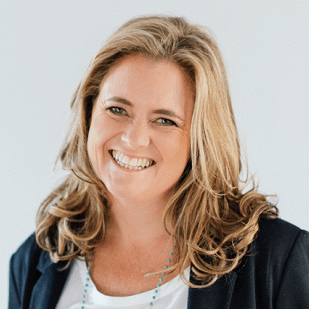
Meg Faure: Today we are joined by paediatrician Nellie Balfour, and I am super excited for this conversation. Nellie is a mum to one little boy, and she is a paediatrician who lives in Abu Dhabi in the Middle East, but she’s originally from South Africa. So a very warm welcome to you today, Nellie.
Dr. Nellie Balfour: Thank you so much for having me, Meg. I really appreciate it.
Meg Faure: Yeah, it’s awesome. So Nellie and I met up when I was in Abu Dhabi recently. So we actually met in person, which I always love, and we just had such a meeting of the minds. Now you’ve had a really interesting journey because you’re a Paed, but you’re also now living in Abu Dhabi, and I’m sure a couple of people would be interested about your journey to go and live in Abu Dhabi. How did that happen?
[3:04 – 3:33]
Dr. Nellie Balfour: Yeah, so it was quite a surprise, and it was at very short notice, actually. Not as interesting as most people think it is. It’s just that my husband got a fantastic opportunity to come and work this side in the Middle East. And since he sacrificed so much for me with my medical career throughout the years, I thought, “You know what, let’s go as a family and let’s take a chance.” So I believe that any new start is a good start, and getting out of your comfort zone is perfect. So I thought that it would be a good idea, and I’m loving it so far.
[3:33 – 3:48]
Meg Faure: That’s so interesting. You know, I was reading something about entrepreneurs who are likely to be successful in businesses recently, and one of the things that actually came up was people who are prepared to go and live in a new culture for a while. And it is like it’s quite an immersion, quite a shift, and you’ve got to be pretty resilient.
[3:48 – 3:57]
Dr. Nellie Balfour: Absolutely. It’s a huge shift, but I think it’s always worth it because you always learn new things, and you learn different cultures, and you learn things about people. So that’s always awesome.
[3:57 – 4:07]
Meg Faure: And that’s amazing. And you obviously had done your like 10 or more years of becoming a paediatrician, your medical degree, your paediatrics. Are you able to use your Paeds degree there in Abu Dhabi, or is that being a little bit more of a challenge?
[4:08 – 4:20]
Dr. Nellie Balfour: No, luckily, we are quite blessed to have such a strong medical degree in South Africa that I am able to use at this side. We don’t have to write any additional exams or take any tests or anything. We just have to get our licence. So yes, I can.
[4:21 – 5:09]
Meg Faure: That’s amazing. So when Nellie and I met, I said, “What were the one topic that you would love to be talking about?” And she said, “The truth about common paediatric myths.” And I just love that topic, Nellie. It’s definitely, I mean, a lot of us hold to things that we think are wisdom, and actually they really aren’t. And so I would love to just dive in to some of the misconceptions that I see in the moms that I deal with. One of the big misconceptions, and I think it creates a huge amount of fear for parents, is whether or not fevers are dangerous. And certainly when my little ones were babies, I was like, “Oh my gosh, the fever’s going up. How am I going to settle it?” And I think at the back of your mind as a parent, you’re always thinking about seizures and what those fevers can indicate. So could you kind of debunk that myth a bit for us? Are fevers dangerous? And when should parents really be worried?
[5:09 – 6:08]
Dr. Nellie Balfour: So this is a question I get asked really often. And one of the main reasons why parents would come for consultations. So fevers are not dangerous. And I think some parents believe that the higher the fever is, the more dangerous it can be for their little one. So that’s not true. We’ve had children with fevers of up to 39 degrees, sometimes even 40. It’s actually just a sign that the immune system is working and the body’s fighting an infection. So a fever is something that we want to see when a little one is sick. The only time we get a little bit concerned with fevers are when children are dehydrated, or there’s a fever in a child under the age of three months, or if a fever lasts for more than three days. But other than that, a fever is not dangerous. And very few fevers actually result in febrile seizures, which is a seizure as a result of a high fever. Usually only 10 to 14 percent of children with fevers get febrile seizures, and it’s usually those who have a family history. So a fever is something we want to see. And the only reason we bring it down is just to avoid discomfort.
[6:09 – 6:20]
Meg Faure: Okay. And at what point are you kind of recommending to moms to use something like paracetamol? I mean, should they use it as soon as their fever hits 38, or is there a benchmark, or is it just watch your little one and see when they’re very uncomfortable?
[6:21 – 6:40]
Dr. Nellie Balfour: So we generally accept a normal temperature as 36.5 to 37.5. A lower grade temperature is 37.5 up to 38. So usually if it’s above 38, that’s when we encourage parents to use paracetamol to try and bring it down. If the child also shows any signs of discomfort, we’re more than happy for them to use paracetamol also.
[6:41 – 7:16]
Meg Faure: Okay, very interesting. Okay, so fevers are a good thing. Don’t panic. But I love your rule of thumb there. Baby under three months must be seen, and a fever of more than three days must be seen as well. So that’s really lovely advice. Thank you. Another one that kind of does the rounds is the green mucus thing. So, I mean, so many babies start off with a light snotty nose, that kind of mucus and snottiness is all clear and all over the place, and gunky. But eventually the day comes that it turns green, and then everybody goes, “Oh my gosh, put them on antibiotics, it reflects a bacterial infection.” Is that true?
[7:16 – 7:58]
Dr. Nellie Balfour: No, it’s not. So that’s another one that I get quite often. So during consultations, parents will say, “Well, aren’t we going to get any antibiotics because the mucus and the phlegm is green?” So green and yellow mucus or phlegm is usually just a result of a healing infection. It’s the body’s way of making sure that it is basically healing. And that’s how we know that an infection is getting better. So most respiratory illnesses are as a result of a virus and not bacteria. So most of them don’t even need antibiotics. More than 90% are viral. And as we know, viruses work their way out of the system. So we don’t need any antibiotics for any green mucus or phlegm. It’s not because it’s bacterial. It just means that the infection is clearing.
[7:58 – 8:06]
Meg Faure: That’s very interesting. I always used to also think that it was because that snot was sticking around in the Eustachian tubes for long enough that it goes gunky. Is that not true?
[8:07 – 8:19]
Dr. Nellie Balfour: No, that’s not true. It’s just clearing. And obviously when any kind of mucus or phlegm or secretions clear, they tend to get thicker first. And then after that, they dry up. So that’s only why they get gunky because it’s clearing.
[8:19 – 8:26]
Meg Faure: That’s very interesting. And I know that I once read that most ear infections are in fact viral as well. Is that true?
[8:26 – 8:35]
Dr. Nellie Balfour: 100%. Yeah. So the ear is part of the respiratory system. We can include it if you want to. And yeah, most of them, 90% or more, are viral and not bacterial.
[8:36 – 8:55]
Meg Faure: Then let’s get on to something else that does create quite a bit of snot often, and that is teething. And very often I hear moms saying, you know, “My baby’s teething.” And I say, “Why?” And they say, “Well, they’ve been running a fever. They’ve had some diarrhoea. They’ve had runny noses. So I think they’re teething.” Are those all indications of teething? Or is there a point at which moms should be thinking about it differently?
[8:56 – 9:42]
Dr. Nellie Balfour: Yeah. So that’s another one I get. And I think moms need to think about it differently. So teething definitely causes drooling, discomfort, a lot of itching of the gums, and baby just being a little bit irritable. Sometimes with a very low grade temperature, which is 37.5 up to 38. Once the temperature exceeds 38 degrees Celsius, that’s when we know it’s definitely not teething. And when there’s other things like a cough and diarrhoea or vomiting, those usually aren’t teething too. So just to put it out there, when a child is teething, their immune system is a little bit compromised because there’s inflammation happening in their body. So it is common when they’re teething for them to pick up other different viruses or other bugs and get sick often. But it’s not the teething that’s causing that. It’s usually a bug that’s causing that sometimes as a result of teething.
[9:42 – 10:04]
Meg Faure: That’s so interesting. I never realised that their immune system actually is compromised when they’re teething as well. And I think, you know, one of the myths that I always see, and that’s one that I often think about is that moms think that the minute their baby’s putting their hands to their mouth, sucking on their hands, or a little bit fussy, that means that they’re teething. And often that’s, you know, kind of in the first four months of life, but actually teething really only happens a little later, doesn’t it? Usually.
[10:05 – 10:16]
Dr. Nellie Balfour: Yeah. It tends to happen around six to nine months. It can happen earlier. I know my son started teething at five months and I’ve seen some kids teethe even at four months, but generally it tends to happen at around six to nine months of age.
[10:17 – 10:37]
Meg Faure: And then just while we’re on that kind of subject of all these illnesses, these fevers and this green mucus, I mean, the toddler years are absolutely fraught with infections. When should a parent start to worry that their baby’s got a compromised immunity? You know, if they’re getting lots and lots of infections, is that an indication of a weak immune system or is it something we see typically in little ones?
[10:38 – 11:27]
Dr. Nellie Balfour: So not particularly. So when a little one generally starts daycare or preschool or whatever we choose to call it, we expect them to get sick every second week, which then spreads out to every month, which then spreads out after that to every two months. So this is completely normal. The part where we start to get worried as paediatricians is if they require multiple hospital admissions, usually where they’ll spend more time in hospital than they do going to school, or if they require, you know, being at home more often than they go to school. Or if we can see things like poor growth or growth faltering or babies who aren’t gaining weight properly or skin conditions like eczema, then we start getting worried about some kind of an immune system compromise. And that’s when we usually run a few tests. But getting sick often really isn’t just the only thing that we look at. We look at the whole child holistically.
[11:28 – 11:36]
Meg Faure: Yeah. And I’ve also heard it said that you should actually, little ones do need to actually get sick fairly regularly to build up that robust immune system. Is that correct as well?
[11:36 – 11:56]
Dr. Nellie Balfour: They definitely do. If you just think about you as an adult and how many years you’ve been alive and how many viruses or colds or flus that you’ve encountered, I mean, for a little one, they’re going to encounter a lot of things in their first year of going to preschool. So their immune system needs to be strong enough also just to kind of set themselves up for later on in order to fight other infections and be strong enough.
[11:56 – 12:41]
Meg Faure: So interesting. And so do you see that if a little one has never gone to creche, so they’ve never gone to creche, never gone to daycare, and they go to preschool at four years old, are you going to see that same thing of kind of sick every two weeks, then every month, or have they already developed some immunity?
Dr. Nellie Balfour: No. So we still do see it because it’s just about the frequency at which they’re exposed to the viruses, not particularly their age. But what’s interesting though, is we see that children who have older siblings who go to school and bring home these viruses and bugs, they tend to have a stronger immune system. So when they start daycare or preschool or creche, they’re a little bit stronger than the others and they don’t get sick as often. So it’s more just about the exposure and the frequency of being exposed to the bugs than actually their age and their immune system according to their age.
[12:42 – 13:47]
Meg Faure: So interesting. So those are some really common everyday myths around health. And I’m sure that you also see a whole lot around sleep and feeding as well. And I thought maybe we just shift across to a couple of little sleep ones. So this term sleep regression hangs over moms and it’s really, really hard. And when you’re the ones going through a sleep regression, you tend to be moving into a space where you are comforting them a little bit more, feeding more regularly at night, maybe rocking them to sleep, holding them to sleep. I want to know for a lot of moms, and this is very polarised because you get moms who feel strongly in either direction, is it true that holding or feeding a baby to sleep is actually going to spoil them?
Announcer: Today’s Dose of Sense is brought to you by ParentSense, the expert-based parenting app that gives you daily support from pregnancy to sleep feeding and daily routines. Take the guesswork out of parenting, download ParentSense today and use the code SENSE50 for 50% off.
Meg Faure: Is it true that holding or feeding a baby to sleep is actually going to spoil them?
[13:48 – 14:58]
Dr. Nellie Balfour: No, it’s not. And this is a question I get often from a lot of guilty moms, because they get told a whole lot of conflicting views and opinions from different people. So holding your child to sleep will not spoil them. Instead, it builds connection and it builds a secure attachment between the little one and the mom, and it also helps with regulation. So there’s just some children who struggle to fall asleep on their own unless they feel their mom near them or they feel they’re being held by someone, even dad sometimes. But I wouldn’t particularly call it forming a bad habit or spoiling them because developmentally, it’s quite appropriate. So, I mean, a lot of people also talk about sleep training, and that’s something completely different. It’s basically a child being able to go to sleep and stay asleep and put themselves back to sleep independently. But I think sometimes we overthink things because as human beings and as mammals, if you look at mammals in nature, a lot of mammals co-sleep and we are mammals too. So why can’t we co-sleep? So no, it definitely won’t spoil a child or form any bad habits.
[14:58 – 15:17]
Meg Faure: Yeah. And I think this is such a contentious thing, moms. And for those of you who prefer not to co-sleep or prefer not to hold your baby to sleep or feed them to sleep, that’s also okay. And I think there are different ways to raise babies. And actually, as long as you’re loving your little one, you’re not going in the wrong direction for any of them.
[15:17 – 15:19]
Dr. Nellie Balfour: Absolutely. That’s all that matters.
[15:19 – 15:35]
Meg Faure: Exactly. Yeah, absolutely. And then one more sleep one. Moms often think that they must keep babies awake the whole day so that they will sleep better at night. What is the kind of logic there in terms of day sleeps and night sleeps?
[15:35 – 16:10]
Dr. Nellie Balfour: So this too is a myth because people sometimes somehow believe that keeping your baby awake during the day, you kind of build up that tiredness and then later on they sleep nicely. But an overtired baby actually sleeps worse than a baby who’s had that rest during the day. So there’s a reason why we have specific wake windows for age and we have specific naptimes for age. It’s because we want the babies to sleep when they’re supposed to sleep and to nap when they’re supposed to nap and not be overtired and be able to sleep through.
[16:10 – 16:17]
Meg Faure: Yeah, it’s really and I’m fully aligned with you. I mean, it’s one of the things that we’ve based Baby Sense on and Sleep Sense and now, of course, with the Parent Sense app, that’s definitely something we focus on as well.
[16:17 – 16:48]
Meg Faure: Those wake windows are critically important. They’re age-related and so as your baby gets older, those wake windows grow until your baby has fewer and fewer sleeps in the day. And so it’s following appropriate wake windows that really does make a difference, absolutely. One of the other things that I see there, Nellie, is that sometimes there are times when you do want to wake your baby and get them a little bit more tired and that is often in the late afternoon. So if you’re wanting your little one to go down at like seven or eight in the evening, you need to have an adequate wake window so they can’t sleep too close to bedtime. So, you know, it kind of works both ways. Yes, you know, making sure you’ve got those sleeps but they’re not too close to bedtime as well.
[16:48 – 17:28]
Meg Faure: So we’ve kind of covered off a little around health, a little bit around sleep, and now I want to ask a question about feeding. And, you know, I think most of us who work with little ones are in agreement that breast milk is absolutely fabulous for little ones. And so if mums can breastfeed, it is the gold standard of nutrition for babies. But there’s also a lot of noise that is fed to mums around other benefits, so-called benefits of breastfeeding, and one that gets thrown around quite a bit. I mean, there’s been some crazy ones like they have significantly higher IQs than formula-fed babies, which of course is not necessarily true. But one of the ones that comes up often, and it’s one of the things that creates a lot of guilt for mums, is that people say that if your baby is formula-fed, they won’t bond in the same way as breastfed babies. What are your thoughts on that?
[17:28 – 18:02]
Dr. Nellie Balfour: So I don’t believe it to be true at all, and no studies have actually proven this. I think it places a lot of guilt on mothers who aren’t able to breastfeed, and there’s a lot of different reasons why mothers and certain women cannot breastfeed. I mean, just a simple one is postpartum depression sometimes. Sometimes the mum needs to be away from the little one because of what she’s going through in her mental health, and she’s not able to. So I think it places an extra burden on mums, and it’s definitely not true. I think the way that you’re fed, whether it’s with a bottle and formula or whether you’re breastfed, doesn’t particularly determine that. It’s just the bond between a mum and a baby, and it’s the way that they connect with one another, not particularly the way in which the baby is fed. So I think it’s quite a dangerous one to put out there, and it’s definitely a myth that hasn’t been proven at all.
[18:02 – 18:40]
Meg Faure: Yeah, and I think it’s important to tell mums that bonding and connection is emotionally wired, and it’s got to do with how you feel about your baby. It’s got to do with how you respond to your baby. It’s about letting them feel like they’re the most important thing in the world to you. It’s about co-regulating with them and reading their signals, and those type of things have a much higher impact on bonding and attachment and emotional development than something as simple as whether or not you’re breastfed or bottle-fed. So yeah, I’m absolutely fully aligned with you, and I think mums need to hear that. What’s really hard for mums is that they’re in social media a lot, and there’s very strong opinions. I don’t know. I mean, my kids are a little older now, Nellie, but certainly when I was raising my children, it was kind of the advent of social media.
[18:40 – 19:24]
Meg Faure: So we had Facebook and Instagram coming out at that time. TikTok didn’t exist when my kids were little, and there was a lot of what I called or what has become known as mom-shaming and, you know, kind of very strong opinions where mums are made to feel guilty or opinions are put out there by people who are not medical professionals that are actually questionable. Is that something that still exists nowadays and something that our mums are, you know, kind of prone to being exposed to?
Dr. Nellie Balfour: I think it’s even worse now, Meg, and the reason why I think it’s worse is because with social media platforms like TikTok and Instagram and just the access that we have to other people and their thoughts and their opinions, I mean, you can find anything that would fit your narrative, you know, in the drop of a hat, in the palm of your hand, in your phone. So when I speak to a lot of mums, whenever they come to consultations, they have a lot of questions from different things that they’ve seen on the internet. And it’s quite disheartening, you know, because a lot of the things that they see aren’t particularly true and it’s just someone giving their opinion or their account of motherhood or their experience of it. So I think it’s much worse now because before people used to look to their families or their mothers or their loved ones for advice, but now you can find advice from pretty much anyone out there on the internet and as quickly as you need it.
[19:25 – 20:23]
Meg Faure: Yeah, and you know what else frightens me is that when you start scrolling and you watch a video on let’s say that formula milk, formula fed babies don’t bond as much, that type of narrative now forms part of your algorithm. And so you’ll see another video on that and another one and another one. And before you know it, common sense is being dictated by an algorithm rather than actually by, you know, carefully curated information. So I agree with you, it’s actually terrifying for mums and they don’t know what to believe. So when you go through your grid or when you’ve kind of been scrolling through videos that you’ve seen, I’m sure that you’ve had moments where you’ve stopped and gone, “Geez, I wish that this could just be completely erased from, you know, from parents’ sensible, you know, parents’ sense or parents’ vision.” So how do you as a mum or how do you advise a mum to know what is credible and what is actually potentially harmful?
Dr. Nellie Balfour: So I say to a lot of my mums firstly, “Who posted it? Is it a medical professional who’s an expert in that field versus an influencer with pretty much no training and just their experience? Is there evidence behind what they’re saying?” So is it backed by science and are there studies that can actually prove them right? You know, is it fear-based or is it trying to sell something?
[20:23 – 21:09]
Dr. Nellie Balfour: Because a lot of the things out there are fear-based, you know, they’re kind of just trying to mum-shame people and scare people into believing a certain thing or a specific thing or they’re trying to sell something. So they’re obviously going to try and scare you a certain way in order for them to obviously make sales from this. And would multiple medical sources agree with what they’re saying? And I know it’s a lot to think about, but I think if you are scared or see a video which makes you concerned, anxious or worried, these are the things that you need to think about, you know, because unfortunately a lot of influencers who don’t particularly have medical training can influence a lot of mothers to believe specific certain things with the amount of followers that they have, you know, because the amount of followers you have on social media is your currency. So it can be a bit dangerous, you know, when these influencers put these things out there, put this information out there, especially for moms who are just trying to do their best with their little ones.
[21:09 – 21:46]
Meg Faure: I really love that. I mean, you actually had a list there, which I really want to put underneath one of our posts, because I think that it’s so, so interesting. So who is the person? Are they medically trained? Is a very important one. Do they cite research? And where did that research come from? I mean, it’s one of the things that we learn when we’re at university, like, you know, the University of “I don’t know what” or something in the middle of nowhere is not as going to be as reputable as Harvard. And which journal is it actually published in? So do go and do some digging. I love what you said there, which actually almost becomes a little bit of a litmus test. If it ignites fear in you, do a little bit of digging. And I think maybe that’s what moms need to hear is that like, if you’re alarmed by it, look at who it’s coming from and look, dig a little bit and find out whether or not there’s research behind it. And I really love that.
[21:46 – 22:15]
Meg Faure: One of the other things that I often say to moms is try and not listen to too much noise and rather choose one reasonable voice. And moms, Nellie is one of those voices. She actually, Nellie, you have an Instagram Q&A session on a Tuesday morning, am I right?
Dr. Nellie Balfour: Yes, I do. So on a Tuesday, every second Tuesday of the month from 8am to 12 midday South African time, it’s a Q&A. And the reason I made it is because of things like this, where the internet has just so much information out there for mothers and mothers are really confused. And I also feel in order to ask the professional questions, you don’t always have to pay. So I just make it kind of my mission and my goal to empower parents by educating them and giving them the right information. So they can ask anything paediatric related and I’ll answer it for them. And I’ve gotten a lot of feedback from a lot of my followers just saying, they really look forward to Tuesdays and it gives them a lot of insights and they learn a lot of stuff too. And I think that’s what we need to do. I just love empowering parents because I feel like empowered parents make the best decisions for their children.
[22:15 – 22:21]
Meg Faure: Absolutely. And I know that moms are all going to be wondering how they actually go and listen to you. What is your Instagram handle?
[22:21 – 22:31]
Dr. Nellie Balfour: So it’s at DrNellyPeds. They can find me on Instagram. I’m not on TikTok. So at DrNellyPeds, which is P-A-E-D-S.
[22:31 – 23:10]
Meg Faure: I love it. So moms, if you are looking for just credible advice, just at the drop of a hat, just pop onto Nellie’s Instagram on a Tuesday morning between 8 and 12 South Africa, because that is a really, really, really awesome resource for them. One of the things that terrifies me, and this is an example of this kind of credible versus harmful noise, and probably one of the most harmful pieces of noise that’s come out since the 1990s has been the vaccination connection to autism, which of course has been debunked moms. And where does that sit for you? And how do you advise moms on vaccinations? Because I think there’s a lot of myths that sit around vaccinations.
[23:10 – 24:04]
Dr. Nellie Balfour: There are a lot of myths. And I think that the more moms read, the more I get asked these types of questions. And again, it’s not particularly reading evidence-based sources. And that’s why it’s so important to critique what you’re reading. So I get asked often, “Do vaccines cause autism?” Because it’s flying around out there, even on the internet, even in 2025. Luckily, a lot of my moms appreciate and respect my opinions and my views, especially because they are backed by evidence. So I obviously tell them that no, it’s been debunked, and the type of study that was done, and the evidence that doesn’t show that. But I get a lot of moms asking about heavy metals and vaccines now. I think that’s a new thing. Yeah. So I think it’s a new thing. I get asked about heavy metals and vaccines, and “Is it safe to give to my baby? Because I’ve heard there’s heavy metals.” And I think they’re getting a lot of this too from social media, particularly in the United States of America, because a lot of the parents in America claim there’s heavy metals in vaccines. So I think the link with autism, I think it’s just because we see more autism now because we know how to diagnose it better. And we have better tools, and we have better knowledge of it. But I think a lot of people want to link one thing to another, and I think they tend to jump onto the vaccines.
[24:04 – 24:10]
Meg Faure: Yeah, absolutely. So you recommend people follow the vaccine schedule per the government that they are part of. Is that correct?
[24:10 – 24:37]
Dr. Nellie Balfour: I do. I think it’s really, really important. I’ve heard before, “But what if my child just gets the disease or the virus naturally, and then that should protect them?” But the effects of getting the disease or the virus or the bacteria are devastating compared to giving them a vaccine and preventing them from getting severe illness and possibly dying. And it also protects the herd. So we call it herd immunity. It protects other people too. So I do advise it. I think it’s really important, and it’s necessary.
[24:38 – 25:07]
Meg Faure: Yeah, I’m fully aligned with you. You know, it’s so interesting because that research came out in the 1990s. It has been completely debunked. It’s a lot of rubbish. And yet, we have an administration in America that is putting out information erroneously. And I think that’s what’s really scary for parents. It’s not just an influencer who hasn’t got a medical degree. There’s even people in government and in places of so-called authority that are also putting out information that just isn’t correct. It’s really, really confusing for parents.
[25:08 – 25:11]
Dr. Nellie Balfour: It can be very scary. So I completely understand the fear that people have.
[25:12 – 25:46]
Meg Faure: And then I guess, I mean, I’ve just got a couple more questions before we head off. But, you know, when I think about environmental pathogens or environmental toxins, rather, let me not say pathogens, toxins, things like microplastics, things like heating baby food in plastic containers, things like scented creams. You know, there’s been a thing on the Diary of a CEO recently. I don’t know if you listened to it, but Steven Bartlett interviewed somebody on phthalates, I think they’re called, which are what creates scent in all sorts of baby products and adult perfumes and so on. I mean, how should we be living? And how much of this do we need to be sensitised to? And how much can we actually just ignore?
[25:46 – 26:26]
Dr. Nellie Balfour: So I think that’s a difficult one, because this is new stuff that seems to be coming up now. And with anything new, it generally means that we haven’t conducted many studies on it. We don’t have much information on it. So I think it’s a bit of a hard one. And I know that it obviously induces a lot of anxiety and concern and fear in parents. I think in South Africa, we’re relatively quite sheltered from the kind of like mass production happening elsewhere, like in the States, and all of the stuff that’s going on, because we’re a relatively small country. But it’s a difficult one for me to say, because as I said, it’s a new topic, and there’s not much information out there, I would love to see what happens down the line once more studies are conducted. I just think it’s difficult to always be living in fear. And naturally, you would be because of all this information that’s out there. And info overload also.
[26:26 – 26:30]
Meg Faure: Yeah, no, absolutely. Yeah, it is. It’s very, very scary for parents.
[26:30 – 27:14]
Meg Faure: But I really like the way that you’ve approached that, that you want to go and study a little further yourself before you form an opinion, which of course, if everybody was doing that, you wouldn’t have so much conflicting information online. So that’s brilliant. So Nellie, as we finish off, if you had to give one piece of advice that you think every parent should remember when they’re faced with confusing or conflicting health information, what would that one piece of advice be?
Dr. Nellie Balfour: So I tell moms and dads about this often. And for me, it’s trust your gut. Because being a parent, being a dad, being a mother, trumps more than the theory that we know. You know your child and you know when something’s wrong with your child. Obviously, look at the information, trust whatever source you’re getting it from, but also trust your gut. Because I think theory gives us a nice foundation for what we should know. But intuition really kind of lets us know, you know, whether something is right or whether something is wrong. And also, when in doubt, ask a health care professional.
[27:14 – 27:39]
Meg Faure: Yeah, I love that. Yeah. And I think a lot of moms and certainly for me, sometimes it’s hard to hear your gut because there’s so much noise. And actually, it’s taking a bit of a tech detox or removing yourself from social media for a little bit. So you can actually start to hear your own intuition again. Chat to your mom or your sister or your clinic sister or your paed, who actually know you and your baby, because they’ll probably help you find your gut feeling better than somebody who doesn’t know you, who’s kind of working through an algorithm.
[27:39 – 28:09]
Meg Faure: I love that, Nellie. Well, I’m hoping that you and I are going to do a huge amount more work together. So moms, I encourage you to go and have a look at Nellie’s profile. It’s Dr. Nellie Peds on Instagram. And yeah, you can get hold of Nellie there and ask her questions. And yeah, Nellie, we’ll definitely have you along for a lot more of our journey. Thank you.
Dr. Nellie Balfour: Thank you so much, Meg. This was really, really fun. Thank you. I appreciate it.
[28:09 – 28:12]
Announcer: Thanks to everyone who joined us. We will see you the same time next week.
[28:12 – 28:16]
Announcer: Until then, download the ParentSense app and take the guesswork out of parenting.

 Article