FULL TRANSCRIPT: EPISODE 183
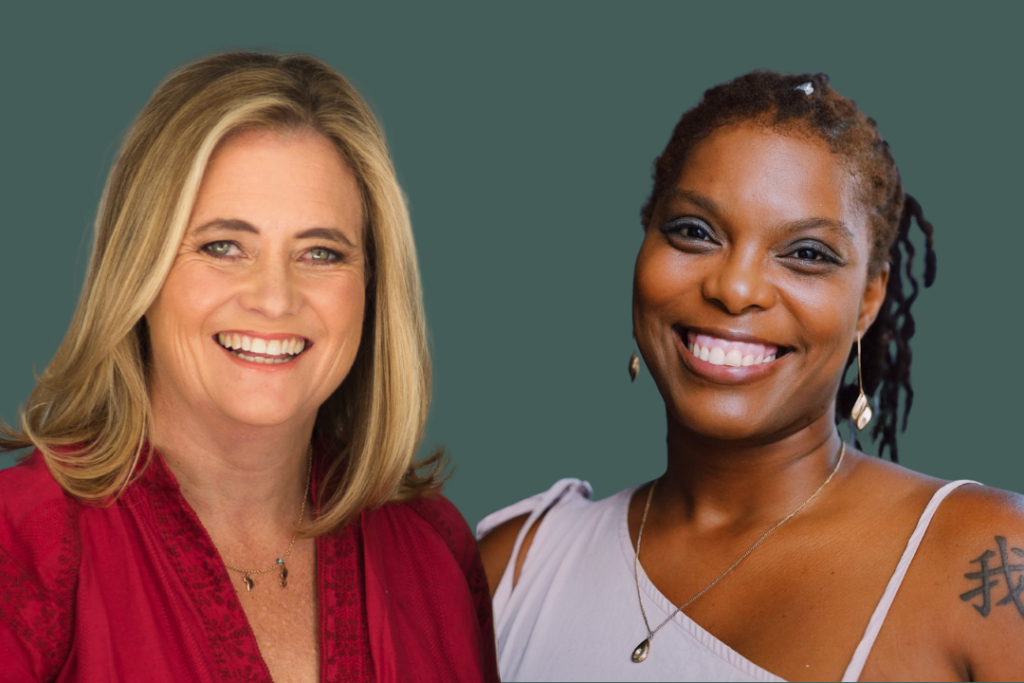
Meg Faure (Intro): Today, we are digging into the world of intentional parenting with the help of our incredible host, Ayanda Tetyana, a renowned parenting coach. As parents, we all want to do the best for our little ones, but sometimes we’re not even aware of the ways in which our own past experiences and our upbringing has shaped our parenting style. Today, Ayanda shared with me some really eye-opening insights on how our past influences our present and what we can do to break free from patterns that may not be serving us or our children. We also dove into the art of setting boundaries, and not just any boundaries, but ones that are connected to our values and our priorities as parents. And her advice on how to do this was pure gold. It really was so insightful, and I know that you’ll find it helpful. One of the fascinating topics we explored was the concept of the parenting mirror. It’s a powerful tool that can help us to reflect on our own emotions, needs, and desires, and how they impact our parenting. And it’s a really practical tool that you can actually go and fill out yourself, so don’t miss it, because it is really, really something that will inform the way that you parent your little ones. What I loved most about my conversation with Ayanda today was the way that she balanced practical and actionable advice with much more philosophical insights. And I just know that you’re going to leave with a renewed sense of purpose and intent as a parent. So sit back and relax, and let’s dive into the world of intentional parenting with Ayanda Tetyana.
[1:21 – 2:03]
Announcer: Welcome to Sense by Meg Faure, the podcast that’s brought to you by ParentSense, the app that takes guesswork out of parenting. If you’re a new parent, then you are in good company. Your host, Meg Faure, is a well-known OT, infant specialist, and the author of eight parenting books. Each week, we’re going to spend time with new moms and dads just like you to chat about the week’s wins, the challenges, and the questions of the moment. Subscribe to the podcast, download the ParentSense app, and catch Meg here every week to make the most of that first year of your little one’s life. And now, meet your host.
[2:06 – 2:45]
Meg Faure: Welcome back, moms and dads. I’m Meg Faure, and this is Sense by Meg Faure. And I am delighted, as always, to have you join me here today. And today, I’ve got a really special guest. It’s one of our special episodes where we have an expert join me. And today, the expert who’s joining me is Ayanda Tetyana, and she is a parent coach, and she deals with parents around behavioural issues with their little ones. And we’re going to be talking around behaviour, intact family units, what your role as a parent is all about, and we’re really going to go super deep on that. So Ayanda, I am so excited that you are here today.
[2:46 – 2:51]
Ayanda Tetyana: Yay! I’m so excited to be here. Thank you for inviting me.
[2:51 – 3:01]
Meg Faure: Excellent. I think let’s kick off with just having a little bit of a background on your clinical background, how you came to be a parent coach, and yeah, tell us about yourself.
[3:02 – 4:04]
Ayanda Tetyana: Oh, that’s funny, because I was a very unprepared parent, a very young parent, didn’t know what I was doing. But I was very, you know, I always recall this memory so vividly, like holding my son, who’s now 16, for the first time, not knowing which side the diaper goes. And I was like a 21-year-old mom, and I had no idea what’s happening. But you know, in that moment, I had this vision of what kind of father he would be, what kind of a big brother he would be, just his role in the community. And that kind of moved me so deeply to saying, “How do I raise this young man to be all of those things? How do I gather up resources? How do I gather up an environment that’s going to prepare him towards all of that?” And I’m telling you, Meg, when this was all happening, I didn’t even have a thing to my name. I was still living with my parents. I didn’t have nothing. I was nobody, really.
[4:05 – 4:07]
Meg Faure: Did you have a degree at the time? Had you already finished your studies?
[4:09 – 4:42]
Ayanda Tetyana: I had dropped out. I was doing some business, hustling, some very different field to what I’m currently doing. But just the experience of having this responsibility with my son got me so deep in it. I went and I did an ECD, two qualifications in ECD. I actually did two qualifications also in psychology. I’m currently doing my master’s as well in behavioural science. It’s just been like a beautiful experience. It’s just, you know, gotten better and better.
[4:42 – 5:13]
Meg Faure: Isn’t that incredible? I mean, it really speaks to how our children shape us as women. Because, you know, I see it very often, usually the other way around, that a woman has finished a degree, is moving in a direction which could be marketing or law or medicine or whatever she’s moving in. And then she has this little life and it really does transform the way she sees the world. What’s awesome with you is that your journey was transformed by him before you even started on your educational journey. So he really has informed your career, hasn’t he?
[5:14 – 5:52]
Ayanda Tetyana: Oh, absolutely. He really, yeah. And it’s just carried on and on in terms of just the continuous questioning myself, even as a parent to say, “Am I doing this right? How do I do this right for him? What makes sense? What are the theories? Okay, maybe kick that out. Let me listen to him,” you know? And it’s just been beautiful. And also then what then happens is when another child comes along, then you now have to be a completely different parent because they’re a different human being and they want different, they have different needs. And then you just, it’s just like an on and on journey. It’s just beautiful.
[5:52 – 6:10]
Meg Faure: Yeah, no, absolutely. So you have these little lives and you go down the route of psychology and you now are a parent coach. And I know you’re involved in a lot of other things. If I asked you like to look back on kind of the last 10 years of your career, what parts of the work that you do has excited you the most?
[6:11 – 7:44]
Ayanda Tetyana: Gosh, I think it’s anytime I’m changing lives, anytime I’m making like impact, you know, I was talking to, so I’ve done a lot of stuff, done a lot of stuff in media, all these really proud moments, I’ve even won a couple of awards, fantastic. But one of the things that I’m most proud of, can I tell you, Meg? So in the community that I live in, it’s a very Afrikaans white community. And previously, even within our schools, you know, we had very policies which are not necessarily black friendly if I could use it that way. So I became part of the SGB since my son has been in the high school. And one of the things that we did is we had policies that were like very intentional about policies to change the hair policy. And, you know, every time I’m in the parking now and I see all these black young boys who are now plaiting their hair, because before you only had to have like short, neat hair. Wow. And something where we had to have a lot of conversations with the administration, with the school to say, “Listen, you know, this is something that’s very important as part of our identity as black people. You want to be able to grow your hair whichever way you want,” but obviously there’s rules in terms of what you expect to be neat. And there was just a whole lot of back and forth. It took two weeks to get to an agreement about this policy. But I tell you, every time I’m in the school ground, it’s like, “I did that,” when I see how beautiful these young men look and their beautiful hair and all these creative hairstyles that they come up with.
[7:44 – 8:27]
Meg Faure: That’s an amazing story. And, you know, it makes me think when you and I got on to come onto this call just now, I asked you why your daughter was at home. She’s 11 years old. And you said to me because she’s taking the day off school and “I wanted to hear her.” She didn’t want to go. She felt that she could use her time more productively in studying for exams rather than being in school today. And I listened to her. And, you know, when I pulled that together with the fact that you’re so involved in making sure people’s voices are heard in the school, so the children’s identity is heard, it seems to be a theme that actually hearing people and giving them a space to represent themselves is something that’s very close to your heart.
[8:27 – 9:20]
Ayanda Tetyana: Oh, it is. Because for me, it’s just an identity thing. When I’m able to speak to you and you listen to me in a respectful way, then you give me that confidence to want to do more, to want to be more myself. And it goes all the way into how we parent. If we’re able to give our children the space and the time to say, “What do you want to tell me? How do you feel? All of these things.” They become more confident to say, “Mommy, I don’t want to eat this. Mommy, I don’t like this.” You know, you can obviously always have your own boundaries in terms of just your household, but allow them to have voices so that it doesn’t only come to when now a person has to become a full grown adult where they’re trying to think, “I don’t know, I don’t know what I like,” because they haven’t been given those opportunities to know their own bodies, to know how they feel about things.
[9:21 – 10:17]
Meg Faure: Yeah, so incredibly important. It speaks to a concept that I often talk about on my podcast called reflective parenting, which is really listening for and noticing what the child is really feeling and what they’re thinking and recognising that inner voice before you go and respond to behavior. You know, I mean, often disciplinarian and authoritarian parenting says, “No, you know, the rule is the rule. This is the way it is. And if you’re not sticking, if you’re not colouring within those lines, you’re being naughty” and there are labels associated. Reflective parenting says, “Hold on, what is the reason for the behavior?” and really listening to them. And it’s incredibly important in the development of self, as you say. And so how in your clinical practice, because that’s such wise advice, but how would that play out in your practice? I mean, do you have parents who come with very specific, common questions and how do you help them to actually enhance their reflective function?
[10:18 – 11:40]
Ayanda Tetyana: Gosh, it’s something that I’m actually trying to figure out more and more. You know, what usually happens and what’s important is that within a cultural context, you need to understand the people who you work with. So I work with a lot of predominantly black families and the reality is, you know, we wouldn’t have had those kinds of opportunities with our own parents. So now we’re talking about your parenting toolbox and you would be coming from a situation where you almost parent how you were parented. But in many instances, there’s a lot of upgrades that need to be done, you know? And so it’s like, I’m speaking a completely new language to my audience, but continuously trying to explain that. And then when you are trying to be a modern parent, it doesn’t mean that there isn’t an element of discipline, you know, but how do you do it in a positive way? So there’s a lot of campaigning, I would say, I have to do in terms of the work I do in schools, the work I do with radio and television in my country, just to get that out there and make people know that these are things that we can do to just make our parenting experiences better and empower our children as well for their mental well-being and their long-term, basically.
[11:41 – 13:11]
Meg Faure: Yeah. And you know, it’s quite interesting. I mean, you’re referring to kind of parents within a certain culture, but it doesn’t matter what culture you come from. We all carry what we call intergenerational transmission. We all carry our parents’ burdens with us. And that’s our baggage that we bring, you know, the way that we were brought up. And I actually remember a few years ago, I was in my practise in Cape Town and a mom and a dad came in and he was a very, very traditional authoritarian man who had come from a background of military in South Africa. His grandfather had been in the military in South Africa. And that was the way in which he approached parenting. It was, there are rules, children are to be seen and not heard. You know, it was that kind of very traditional, you know, kind of authoritarian parenting. And the mom had come from a very different background, much more permissive, much more free and easy. And they had then come into this parenting situation and the conflict in that marriage was frightening. They were on, they were singing from different hymn sheets. They weren’t in tune at all. And so they came to me to say, “What is the right way to do it?” And of course, what you’re speaking about there is actually breaking down prior expectations and the baggage so that you can actually start to work together. So in those scenarios, how do you approach those parents who are bringing in, you know, kind of what I think very often parents will say, “But this is how we do it culturally. You know, this is what my family has always done,” but actually, like you say, time has moved on. How do you deal with that?
[13:12 – 16:12]
Ayanda Tetyana: I think, I think I always try to do it from where I started in terms of what inspired me to get into this place in the first place, the bigger picture to say, “Okay, let’s, let’s talk about this young man or children that you guys are raising. And let’s think about them in 10, 15 years time. Where do you see them? Okay, great. So what are the things that are needed now in terms of your home environment to ensure that you are equipping them with those things?” you know, and something as little as a concept of backchatting. A lot of parents will think of that as something that’s rude. Of course, there can be times where our children will be disrespectful. That’s a different situation. But when a child speaks and answers you, for me, what it says in terms of their self-worth, their self-identity is they are able to express what they need, you know, and then I picture not only my 11-year-old, my five-year-old niece, for instance, being able to tell me what they need, but I picture a 21-year-old being able to speak to their peers, being able to speak very clearly to their intimate partner, to their work colleagues and say, “This is what I need, this is not working for me,” and, and, and. And if it’s not done already in terms of our home environments to a certain extent in terms of just the respect and all of that, then we’re taking away from our children so that now they’re going to be in situations 10-15 years later where they’re fumbling all these things because we’ve not set the proper background. So I’ve found that it really works, especially with very conservative parents who are like, “No, that’s not what my parents did. I turned out fine.” You know, say, “Okay, you might have turned out fine, but let’s picture what kind of dreams and visions do you have for this young man or this young lady? And in terms of the tools that they need in order to achieve that, what can we do to just change the environment?” You know, a lot of people think that being a modern parent, you need to put away structure. No, you can still have your structure. You can still have your boundaries, but there is a negotiation that you kind of allow that says, “Okay, okay.” So for instance, to make an example of my daughter, she’s been home today, but we have been refining her mind mapping skills. She’s so annoyed with me actually, because for the past couple of weeks, we’ve been working on mind mapping and she hasn’t necessarily gotten it yet. So I keep giving her topics to go work on her mind map. She doesn’t get it right. I keep giving her another topic and then I keep making her watch videos so she can learn how to teach herself. So she’s been home, but I can tell you in terms of learning, she feels like it’s too much. “I should have gone to school.”
[16:13 – 17:51]
Meg Faure: I love it. I love it. So I want to go back to what you said there, because it’s just, it’s just like a penny dropped for me. So I think very often we come to a parenting situation with two perspectives. The one is the historical view. So this is how I was brought up. This is what we do culturally. This is what my mom says. This is what my aunt says. This is how my sister does it. So that’s kind of all your historical background. Then you are in a situation in that moment. And those two things generally inform probably the way that most parents will actually execute discipline, boundaries, behavior is what’s going on in the moment. You know, “I’m going to shout at you or this is the way it’s been done,” whatever. But what I loved about what you said and the real penny dropped is that if we stop for a minute and we go and look forward, so instead of looking backwards or present, we actually go to the future tense. And suddenly you’re right. I mean, because none of us want a child who sits still in the corner with his finger on his on his lips when he’s 16 years old. We are expecting our 16-year-olds to challenge establishment because that’s how they change the world. And if we don’t let them do it when they are two, three, four years old, how are they going to find that voice? So I really, really love that perspective. And I also love the perspective that you’re balancing that out with “boundaries are important.” So can you give us an idea? Like if I’m a parent listening to this and I’m thinking, “Wow, yes, I need to give my child the space to breathe and the space to assert themselves.” What are the boundaries that you think a parent should have where a child shouldn’t assert themselves or shouldn’t necessarily, what should children not be getting away with? What boundaries should we instil?
[17:52 – 18:38]
Ayanda Tetyana: So for me, it’s very, um, you know, in terms of things like that align with my values. So for instance, with the respect thing, where, um, even if I do allow them to, to answer and to, to speak their minds, you know, the tone of respect is very important, you know? So, so, you know, let’s say for instance, it’s exam time and people are struggling with just managing their schedules, you know, I would need to be able to still stick to the idea of “these are your chores and you need to do them.” I’ll make an example to a parent who’s having younger children, you know, in terms of just starting to think anything around the idea of independence with your children. You want to start being very intentional about what are the chores that they’re able to do. Age relevant, of course, very important, age relevant. But once you start doing that, then you need to stick to it as a parent. You need to make sure that you consistently instilling to say, “And then pick up your own toys.” And if you see them not doing it, you know, gently nudge them to say, “Hey, honey, we’re gonna have our snacks, we’re gonna have whatever playtime, but you do need to first pick up these toys if they…” So, so just being intentional about what, what are your own values and finding a middle ground in terms of to say, where do I put my line in terms of “this is important.”
[18:38 – 19:34]
Ayanda Tetyana: So for me, we can have conversations about everything. My son has challenged me, and sometimes he was right. But where he’s gotten very right is when he’s done it in a respectful manner. Then I’m like, because I’m a reflective parent anyway, I’ll be like, “Gosh, I didn’t see it like that.” And then I’m like, “Yo.” And then I have to come back and I’m like, “I’m sorry, guys. I kind of crossed the line there,” or I fumbled.
Meg Faure: Very interesting. We recently had an episode on exactly that on saying sorry. And it was with Dr. Jenny Rose. I don’t know if you know her. She’s a psychologist in Stellenbosch. And it was such a great session on parenting and how to learn to say sorry. So I’m 100% with you. And I love the way that you pick those boundaries according to values. I think that is very important. I also often say to parents, particularly with little children, is that boundaries need to revolve around health and safety. So if, you know, if a child has to wear armbands, because they can’t swim, that is a boundary. They don’t have a choice or seatbelt is a good example. All two year olds hate wearing seatbelts. They kind of push their pelvis forward so you can’t put the seatbelt on when you put them in the seat. It’s a non-negotiable. They have to have a seatbelt on.
Ayanda Tetyana: You don’t drive anywhere. Don’t drive anywhere until they listen. “If we don’t put the seatbelt on, we’re not going anywhere.”
Meg Faure: We’re not going. Exactly.
Ayanda Tetyana: “We’re going to wait for you until you are okay with putting the seatbelt on” to make an example.
[19:34 – 19:40]
Meg Faure: Exactly. Yeah. So you spoke about you being a reflective parent. And I noticed something on your Instagram page, and we’ll definitely share the handle a little later, but it’s called the Parenting Mirror. What is the Parenting Mirror?
[19:41 – 20:22]
Announcer: This episode is brought to us by ParentSense, the all-in-one baby and parenting app that helps you make the most of your baby’s first year. Don’t you wish someone would just tell you everything you need to know about caring for your baby? When to feed them, how to wean them, and why they won’t sleep? ParentSense app is like having a baby expert on your phone guiding you to parent with confidence. Get a flexible routine, daily tips, and advice personalised for you and your little one. Download ParentSense app now from your app store and take the guesswork out of parenting.
Meg Faure: What is the Parenting Mirror?
[20:24 – 23:14]
Ayanda Tetyana: Gosh, that is a very exciting time that I’m at with. So what I’ve done is I’ve compiled a list of reflective kind of parenting questionnaire, so it’s like a survey that I’ve done, where the first part of it is a reflection on how you as a parent basically experience your own parents. And then the second part of the survey delves into how do you actually parent? And the idea is that to to just try to assist parents to just have this insight, to see that we don’t necessarily come to where we are in terms of our parenting toolbox intentionally in most instances, you know, it’s most of all this old parenting toolboxes of stuff that was done to us, you know? But when you really sit down and look at the children that you have as an individual, you know, make an example. You have a child who maybe responds more to you speaking slowly, so you know very well you do not have to yell at everybody all the time, right? You as a parent should be able to say, “This is how I speak to this particular child, this is how I speak to this particular child,” because our children are very different. And actually there’s been research that has shown that even three children coming from one household will have different experiences of their parents. You would swear that they’re not coming from the same home, you know? So, and basically then what I do is then I give feedback, and I do this free actually with my own time, where I give free feedback to parents. And the idea is just to to try to show them the importance of being intentional in saying, “How do I consistently work on my parenting toolbox? How do I… if I’m shouting all the time, if I’m… how am I feeling as a parent? Is it because I had a stressful day at work? Is it maybe better instead to maybe before I come home, go grab an ice cream, or come home and just be open with my kids to say, ‘Listen guys, I really had a really bad day, a couple of things happened, and I was feeling very disappointed.’” This is very important, by the way, because it’s the emotional vocabulary that we are then transferring to our children almost unconsciously. And then having those kinds of conversations basically help them. Then when you start to talk about “what does sad look like?” “what does happy look like?” You know, your children are seeing it and experiencing it from you as well. That’s very important, because then when they start having their own relationships, whether it’s peers and all of that, they already have this little toolbox that helps them understand what’s the proper way to have healthy relationships. And it just carries on. For me, once you start being a reflective parent in how you are looking at your own children, you will find yourself being reflective in other areas of your life, because now you’ll notice patterns and start saying, “Okay, wait, am I the problem here? Maybe I could deal differently,” whether it’s with your husband, colleagues at work, you know, and it’s so empowering, actually.
[23:14 – 23:16]
Meg Faure: So is the questionnaire online?
Ayanda Tetyana: It is online, yes.
[23:17 – 23:29]
Meg Faure: Okay, so they would come onto your website or link through Instagram or link in bio, and they would then do this questionnaire that has these two parts. One is, “Where did I come from and how was I parented?” And the other part is, “How do I show up as a parent?”
Ayanda Tetyana: I try never, never to point fingers.
[23:30 – 23:35]
Meg Faure: Does it, how does it then generate, does it generate a report or do you send something back manually to them?
[23:36 – 23:47]
Ayanda Tetyana: So, with the kind of numbers that I’m getting now, I am actually able to have one-on-one sessions with everyone, like on a 30-minute, and then I do the report for them and I give them feedback.
Meg Faure: Wow, that is super powerful. That really is absolutely incredible.
[23:48 – 25:52]
Ayanda Tetyana: And I found that it’s such a beautiful way also just to, in many instances, what parents usually think is that when they’re having conflicts with their children, that the children are the issue. Actually, in honesty, in all honesty, in most instances, you know, it’s us in terms of “how do we set our boundaries? Are we consistent? All of these little things. How do we communicate with our children? Are we clear?” Um, if you have more than one child, if your child complains about being, feeling like things are unfair, are you able to change around and say, “Okay, now I have to change. There’s something wrong here. Let’s make sure things are fair for everyone.” You know, and that’s what’s really important, so that your children, you know, that what we spoke about when we started, a sense of self-worth. You are now able to listen to your child’s needs and you’re validating them and saying, “When you say this is what you need from me, I’m going to give it a shot. I’m going to try.” And then consistent feedback is very important.
Meg Faure: It’s incredible, you know, and I think the wonderful thing about working with parents, and certainly this is something that I have loved about working with parents, is that they really want to do the best for their children, you know, and they do want an easier journey, of course, but they want to do the best for their kids. And so I’m sure that you’re finding that a lot of people are really able to make quite meaningful behavioral shifts just because of the feedback you give them in 30 minutes.
Ayanda Tetyana: They do. They get, they get shocked. Um, sometimes I’m a bit tough. I’m a little bit more tough, Meg, because I say we have responsibilities. The minute that we conceive, right, you know, there’s a lot of freedoms that we lose. So you can’t want to be living your life as someone who hasn’t committed to a whole lifetime taking care of these young people. And in many instances, to be honest, we’re not coming to the table with the responsibilities that we have as parents.
[25:52 – 26:18]
Ayanda Tetyana: So you kind of have to be tough in terms of just having those conversations as well and saying, you know, like, you know, just to make an example, you know, you have parents who don’t know what’s happening in their children’s school books. And then you’re like, “But who’s supposed to know though? The teacher? No, it can’t work like that.” So no matter how busy you are, I’ve been at a point in my life where I’ve been a student, a single mom, and hustling to keep the roof over our heads. But I would make time to make sure that on weekends the school books are checked, we’re working on a plan if they’re struggling with a particular subject, you know, because I understand that that is my responsibility. And I have to be realistic with what that means to me.
[26:18 – 27:32]
Meg Faure: You know, and it’s an incredible thing, because I think sometimes we, in fact, we even say it, the world even says it, “I’m going to fall pregnant” or, you know, “I want to fall pregnant.” The world doesn’t say, “I want to be a parent for the next 25 years,” you know, because maybe there would be a whole lot fewer of us that would be having children then. But because the reality is that you actually, you don’t sign up for a pregnancy and you don’t sign up for the first three years. You sign up for 25 years. And I’ve certainly seen that, you know, I’ve got adult kids, my eldest is 26 and um, yeah, and actually every single week there’s a parenting opportunity even though he’s an adult. I mean, much I suppose less so that now that he’s over 25, but all the way till 25, I felt that burden of responsibility of helping him choose careers and make sensible decisions around girls. And, you know, it’s it, you know, and they come back. So, um, yeah, as long as you have, and it’s quite funny, I mean, I think as long as you have those open channels of communication. And I think, you know, one of the things that what you’re doing is, is just so spectacular because if you get it right in the early days, if you open up those channels of communication, if you parent intentionally from day one, it becomes a journey of expectation and a transaction between you and your child that is that doesn’t end. And that’s why we still have such an amazing relationship with our three kids is because they really are, you know, they’ve been heard from the get go. So, um, parents of young babies, this is not just for parents of older kids. This is how you know, you start it, how you start is how you’ll end. Um, and you need to start on the right foot.
[27:32 – 29:05]
Ayanda Tetyana: Oh, the starting is everything because um, you know, our children’s personalities and character get to a certain extent, get shaped by how we respond to them as a primary caregiver. So one of the issues that we have in South Africa because of the social issues, whether it’s, you know, issues around unemployability, issues around 70% of the fathers not being present, you find that there would be even extended families involved in raising children. Moms are not directly involved. But even with the time that they do have, you know, you have to put, put that reality to say then this is your responsibility and how you build that relationship when you’re home over the weekend, whether it’s the mom, the dad, how do you make sure that you’re intentionally making time to spend with this child, you know, read a book to them. It’s something is, it’s the most, you know, our libraries are free, most, I think most countries in terms of the public library is free. You have a free resource. In the moments that you’re reading to your children, you’re building their cognition, their imagination. There’s so many exciting things that you can do together in that time. You know, you can draw some of the characters that you read about and you can have some kind of continuation so that your child looks forward to you coming back next week. Yes, it’s the reality is, when you’re going through all of that, you’re going to have a whole lot of stresses, but if you tell yourself, “Listen, when I’m home, let me put those problems aside and let me just be present with my child. Let me be responsive to these needs that they’re having,” and just show up for the responsibility that we brought into this world. Because if we expect our children to be accountable in anything, we have to first take that baton and say, “This is what we’ve done and how are we going to make sure that we are being present?”
[29:05 – 30:47]
Ayanda Tetyana: You know, um, there’s times we make us horrible at maths as a young student, horrible. You know what, I’m grateful there’s AI because in terms of some of these statistics courses I’m doing now, it helps me a lot, right? But I promise you, I’m horrible. But can I tell you, both my children are super amazing in mathematics. Because what I did from a very young age, before I even had a car with my son, in a taxi, you know, when we’re collecting the money, I’d be asking him, “So honey, the taxi is 16 rand. There’s four people in the seat. How much?” You know, and he would be doing the math, and I’ll be giving him five, five, five, like fives. “Oh, baby, you’re so much smarter than me. I couldn’t count that.” I’d be asking him change every time we’re at the shop. “Okay, I’m buying bananas for five rand. How much is a change?” And I can see how this enthusiasm for him in this way has grown so, so, like his maths is amazing. And both, both of them, you know, even though the situation has changed, we’re not necessarily in taxis anymore, but I do the same with my daughter, where she goes and buys stuff. I make her ask, “How much is that? How much is that?” and then calculate the change when she brings it to me. “How much is this change?” You know, so you can do little things like that, and you can think of your individual child and say, “How do I, whether it’s something that was a weakness of mine, a strength of mine, how do I become very intentional in giving them that strength?” You know, whether it’s a vocabulary, you can play games, like your 30 seconds, there’s even junior one. There’s so many things that you can do, really.
[30:47 – 31:33]
Meg Faure: Absolutely. Well, it’s so interesting, because there was one word that was ringing in my head throughout that conversation, and you said it right near the end, and it’s the word intentional. And I think it’s such a big piece. You know, I think early on in the conversation, you spoke about the weight of responsibility of bringing a child into the world. And I think this is really what it’s all about, is that once they’re there, every moment is an opportunity and be an intentional parent, you know. And so I have been hugely inspired by this conversation. Ayanda, it just, it took a direction I wasn’t expecting. And it is just a wonderful, wonderful chat. I think you’re an incredible resource. How can moms get hold of you? And where do they find the parenting mirror? And yeah, how can they work with you?
Ayanda Tetyana: Okay, so on social media, it’s Instagram and TikTok. It’s @AyaTheParentCoach. So I made, try to make it very simple. I know a lot of people struggle with spelling my surname.
Meg Faure: So is it A-Y-A, the parent coach?
Ayanda Tetyana: @AyaTheParentCoach, yeah.
[31:33 – 31:34]
Meg Faure: And…
[31:34 – 33:17]
Ayanda Tetyana: I think one thing that I really wanted to add, because the reality is all of us will be going through these different journeys in our own lives. You know, whether you’re someone who might have all the resources or someone who’s struggling with those resources. I think what’s been really important for me is to create a supportive environment around myself. People who are almost able to be in different stages of life, where while I’m going through whatever, I can be able to have a shoulder to cry on. And building, for me, building that circle has been so amazing. I remember when my children were just a little bit younger, the circles that I had, for instance, you know, it would be parents who had children the same age. So when we would go out, we would always go to places where there were kiddy-friendly places to play. So in our enjoyment, in our own fun, there’s, we’re taking turns to make sure that the children are okay, you know. And even if we’re going to each other’s houses, there’s usually kid-friendly thingies in our homes. So very intentional about that in terms of just building the support. You know, we are human beings, we do need shoulders to cry on. I know sometimes what happens is social media makes the parenting so glamorous, you know, you like the prams, all these. But then when you get home and your child’s crying, you’re like…
Meg Faure: Yeah, it’s hard. No, it really is hard. Well, this has been a wonderful conversation. Thank you so much Ayanda and yeah, we definitely will have you on again. I’ve got lots of questions that I’d love to follow up with. Um, but that’s all we have time for today, but thank you for joining us.
Ayanda Tetyana: It’s my absolute pleasure.
[33:18 – 33:28]
Announcer: Thanks to everyone who joined us. We will see you the same time next week. Until then, download the ParentSense app and take the guesswork out of parenting.

 Podcast